
Home improvement projects are a fantastic opportunity to personalize your California living space or get your home market-ready for resale. If you plan to stay in your home for several more years, upgrading to meet your needs can enhance your lifestyle. However, it’s essential to recognize that not all projects are equally effective at adding value. In fact, some renovations can become financial mistakes, offering little return on investment (ROI) when it comes time to sell. Here are some of the biggest culprits:
1. Luxury Bathrooms and Over-the-Top Upgrades

A well-designed bathroom remodel can certainly enhance your home’s appeal, but going overboard with high-end finishes often leads to diminishing returns. Features like heated floors, spa-like tubs, and imported tiles may look stunning, but they frequently fail to provide significant ROI, especially if they push the renovation budget far beyond the standards of your neighborhood. Most buyers prioritize a clean, functional bathroom over extravagant upgrades, and they are often unwilling to pay a premium for luxury details that don’t align with the overall market value of the home.
Before embarking on a bathroom remodel, consider striking a balance between aesthetics and practicality. Remodel using durable, midrange materials and timeless designs that appeal to a wider audience. It’s also important to focus on functionality, such as adding better lighting, improved ventilation, or water-efficient fixtures. These upgrades not only enhance the bathroom’s function but also resonate with buyers looking for value rather than indulgence, making your investment more worthwhile.
2. Swimming Pools

Swimming pools are often seen as a luxury feature, but their appeal varies greatly among homeowners. While they can provide a perfect setting for relaxation and entertainment, pools require significant upkeep, including regular cleaning, chemical balancing, and costly repairs. Additionally, they increase insurance premiums and present safety risks, particularly for families with small children.
For homeowners considering adding a pool, it’s essential to weigh personal enjoyment against the potential impact on resale value. If a pool enhances your lifestyle and you plan to stay in your home long-term, it might be a worthwhile addition. However, if resale is a priority, it’s worth considering whether the cost aligns with buyer preferences in your area.
3. Expensive Landscaping and Outdoor Features

Curb appeal is undeniably important, but extravagant landscaping projects like water features, koi ponds, or outdoor kitchens can quickly become a financial gamble. These features often demand regular maintenance and upkeep, which may deter potential buyers who view them as burdensome. Additionally, such specialized additions might not resonate with the preferences of many buyers.
While these upgrades can create a stunning outdoor space for personal enjoyment, their value often depends on the local market and climate. For instance, outdoor kitchens may be more desirable in regions with year-round warm weather, while koi ponds or elaborate water features might be better suited to niche buyers. Before investing in lavish landscaping, it’s wise to research buyer trends in your area to determine whether the project will truly enhance your home’s resale appeal.
4. Home Offices

The rise of remote work has led to a growing demand for home offices, but converting a bedroom or other valuable living space into a dedicated office can have drawbacks. Repurposing a bedroom for office use might reduce your home’s overall appeal, especially to families who prioritize having more bedrooms for sleeping or other needs.
Whenever possible, avoid permanently converting a bedroom into an office. Instead, consider utilizing underused section of a larger room to set up a functional and stylish workspace. Flexible furniture options, like a fold-away desk or a sleeper sofa, can help maintain the room’s versatility. This way, you can meet your work-from-home needs without compromising the value or functionality of the home for future buyers.
5. High-End Kitchen Remodels
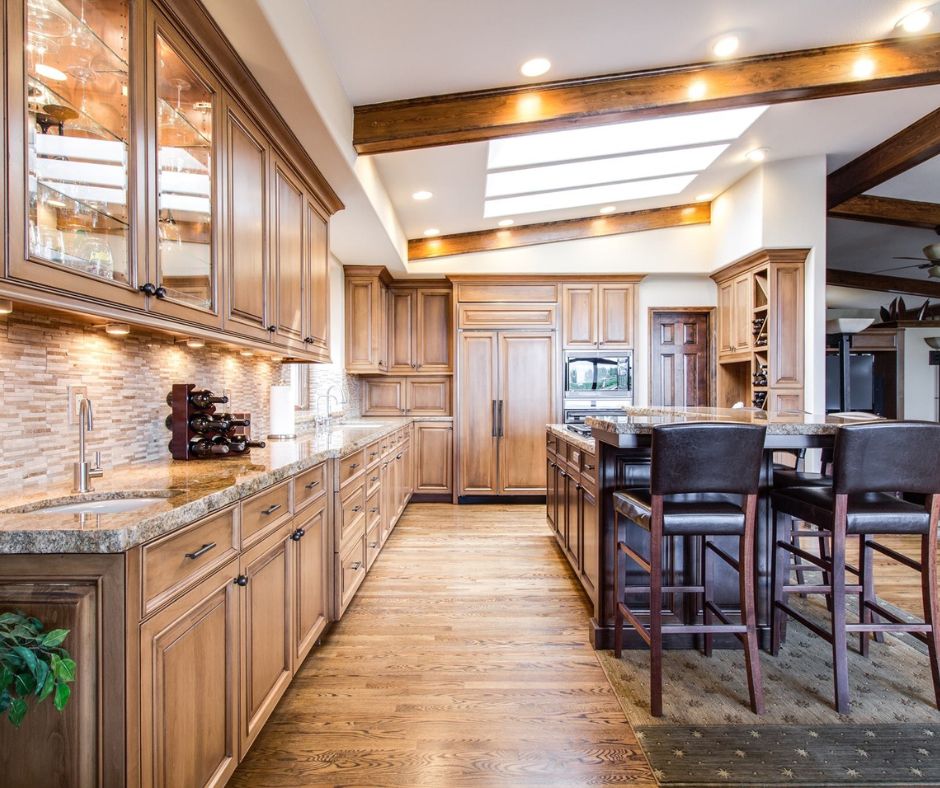
A kitchen remodel is frequently promoted as one of the best projects for ROI, but it’s essential to approach it strategically and with caution. There is a limit to how much buyers are willing to pay, and over-customization can quickly turn a smart investment into a financial hole. Installing professional-grade appliances, exotic materials, or hyper-personalized design elements can drive costs far beyond what the average buyer values, making it difficult to recoup your expenses at resale.
In addition, overly luxurious kitchens can make the rest of the home feel inconsistent, particularly if the other rooms lack similar upgrades. Buyers may also shy away from spaces that feel too specific to your personal tastes, as it can mean additional costs for them to remodel again. To maximize ROI, focus on midrange upgrades that appeal to a broad audience, such as updating countertops, cabinets, and fixtures with durable, stylish, but cost-effective materials. Keeping the design neutral and versatile ensures your kitchen has wide appeal and complements the overall style of your home.
6. Garage Conversions

Converting a garage into a living space might seem like a practical way to add square footage, but it often comes with significant trade-offs. Many buyers place a high value on having a functional garage for storage, parking, or hobbies, and eliminating this feature can make your home less appealing to many buyers. The lack of a garage can also negatively impact your home’s marketability, especially in neighborhoods where garages are considered standard or necessary.
Before committing to a garage conversion, consider whether the added living space truly outweighs the loss of utility. In many cases, maintaining the garage while exploring other ways to expand square footage, such as finishing a basement or adding an extension, can be a better option. Additionally, a converted garage that is poorly insulated or doesn’t seamlessly blend with the rest of the home can detract from the overall aesthetic and usability, further limiting its appeal to buyers.
7. Over-the-Top Smart Home Technology

Basic smart home features, such as a smart thermostat or a security system, are often appealing to buyers and can add convenience to daily living. However, overloading your home with cutting-edge gadgets and complex automation systems can be a risky investment. Technology evolves rapidly, and what is cutting-edge today may become obsolete tomorrow. Many buyers may not see the value in expensive systems that could require frequent updates or replacements.
Additionally, overly sophisticated smart home systems can intimidate or alienate potential buyers who are not tech-savvy or prefer simpler living environments. Instead of investing heavily in niche or overly advanced technology, focus on smart upgrades with broad appeal. Features like energy-efficient lighting, keyless entry, or app-controlled climate systems strike a good balance between innovation and usability, ensuring they remain practical and desirable for the majority of buyers.
8. Wall-to-Wall Carpeting

Carpeting is becoming less popular among homeowners and buyers alike, as it is often viewed as outdated and challenging to maintain. Stains, allergens, and wear-and-tear are common issues that make carpet less desirable compared to modern alternatives like hardwood, vinyl plank, or laminate flooring. These options are not only easier to clean and maintain but also provide a sleek, contemporary look that appeals to a broader audience.
Installing new carpet throughout your home may inadvertently reduce its market appeal, as many buyers now prioritize low-maintenance and durable flooring options. If carpet is necessary in certain areas, such as bedrooms, consider opting for high-quality, neutral tones that can blend with various styles, ensuring a more versatile and appealing presentation for potential buyers.
Conclusion
When planning home improvements, it’s important to find a balance between personal enjoyment and market appeal. Research your local real estate market, consult with local experts, and prioritize projects that align with the homes in your neighborhood. By avoiding these low-ROI projects, you can make more informed decisions that benefit both your lifestyle and your wallet.
Financing Your Home Upgrades
Financing home improvements doesn’t have to be overwhelming if you explore the right options. Home equity loans and lines of credit (HELOCs) allow you to borrow against the equity in your home at relatively low interest rates, making them ideal for larger projects. You can also refinance your current mortgage with a new cash out mortgage loan. Whichever route you choose, make sure the cost of financing aligns with your long-term financial goals and the potential return on investment!
Considering a Home Equity Line or Mortgage Refinance?
Call Us Today
(714) 696-6773

Thanks again so much Nick, you really worked hard for us on this complicated transaction! We saw that the whole way, from beginning to end and we are very thankful!
would definitely recommend his services. Thank you.
0 Comments Leave a comment