Whether you follow politics or not, it’s hard to escape during an election year! We were curious about how Presidential Elections have influenced California Real Estate in past Elections. So we put together a quick summary!
Over the past ten presidential elections, California’s real estate market has experienced significant changes influenced by various economic policies, demographic shifts, and politics. Here’s an overview of how each election has impacted California’s real estate landscape:
1992: Bill Clinton vs. George H.W. Bush
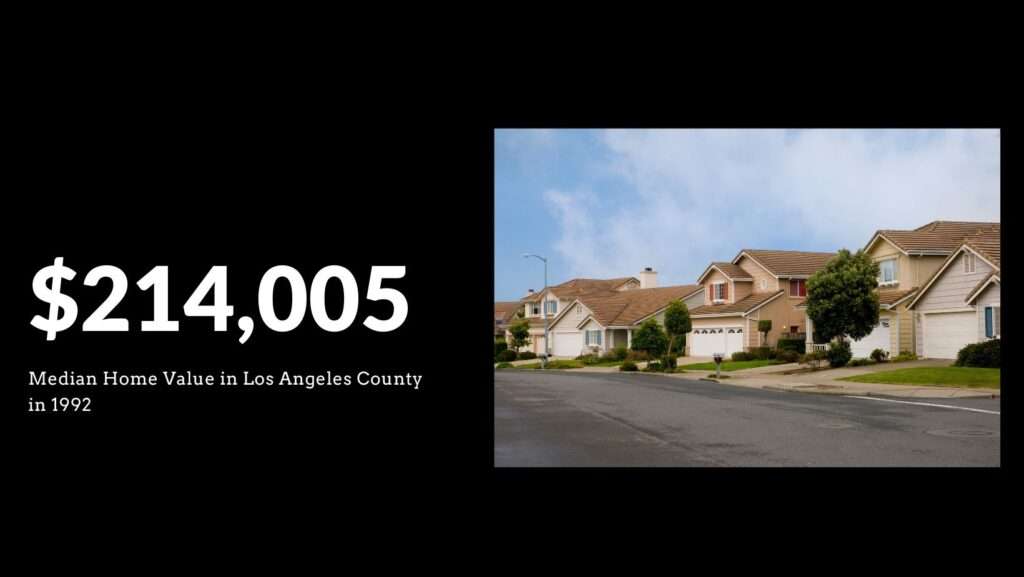
Bill Clinton’s victory led to economic policies that boosted the tech industry, particularly in Silicon Valley. The subsequent economic boom resulted in increased demand for housing, driving up real estate prices in tech hubs across California.
1996: Bill Clinton vs. Bob Dole
Clinton’s re-election maintained the economic boost from his first term. The continued growth in the tech sector and a strong economy kept real estate markets strong, especially in urban areas like San Francisco and Los Angeles.
2000: George W. Bush vs. Al Gore
The dot-com bubble burst at the beginning of Bush’s presidency, leading to a temporary slowdown in California’s real estate market. When the Federal Reserve jumped in with interest rate cuts they helped revive the housing market, setting the stage for our housing boom in the mid-2000s.
2004: George W. Bush vs. John Kerry
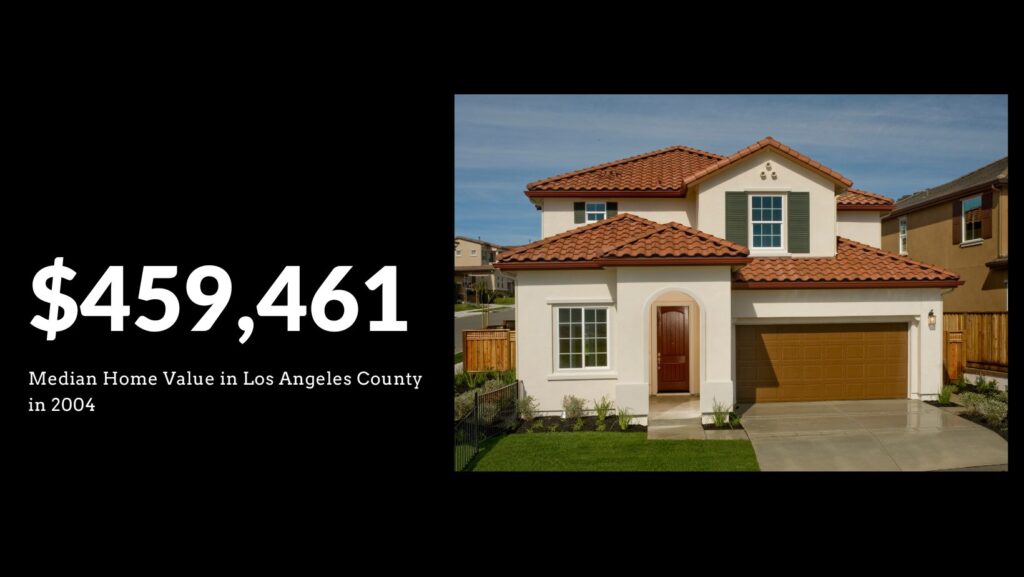
Bush’s re-election and the Fed’s continued low interest rates fueled a housing bubble. Real estate prices soared in California, particularly in coastal cities. Speculative investments and subprime lending became prevalent, which set the stage for a housing crisis in later years.
2008: Barack Obama vs. John McCain
The financial crisis and housing market crash dominated Obama’s early presidency. California was heavily impacted, with plummeting home values and a surge in foreclosures. The federal government’s intervention, including the Troubled Asset Relief Program (TARP), was designed to stabilize the market.
2012: Barack Obama vs. Mitt Romney
Obama’s second term saw a gradual recovery in the housing market. Federal stimulus measures and policies to assist homeowners helped restore some confidence. California’s real estate market began to rebound, with prices slowly climbing back to pre-crisis levels.
2016: Donald Trump vs. Hillary Clinton
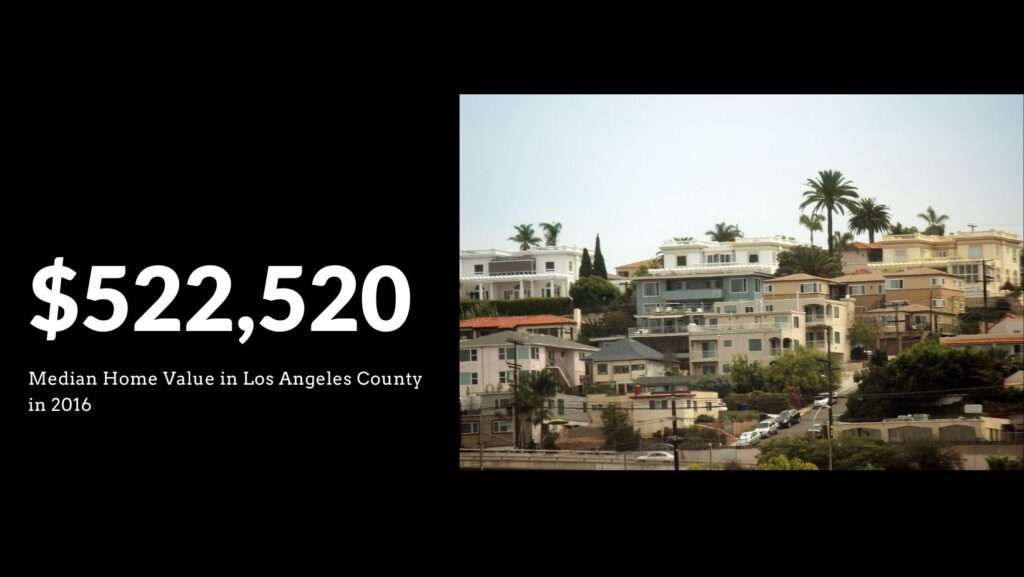
Trump’s election brought tax reforms and deregulation efforts. The Tax Cuts and Jobs Act of 2017 impacted California’s real estate market by capping state and local tax (SALT) deductions, which affected high-income homeowners. However, the real estate market remained strong due to an exceptionally robust economy and low unemployment rates.
2020: Joe Biden vs. Donald Trump
The COVID-19 pandemic overshadowed the 2020 election, profoundly impacting the real estate market. Remote work trends led to increased demand for suburban and rural properties as people sought more space. Federal relief packages and low mortgage rates fueled a surge in home buying, driving prices to all time highs.
2024: Projections Post Election
While the results of the 2024 election remain to be seen, current policy trends suggest continued interest in addressing housing affordability and sustainability. The push for green energy, wild fire mitigation and infrastructure improvements could further influence California’s real estate market over the next few years.
Conclusion
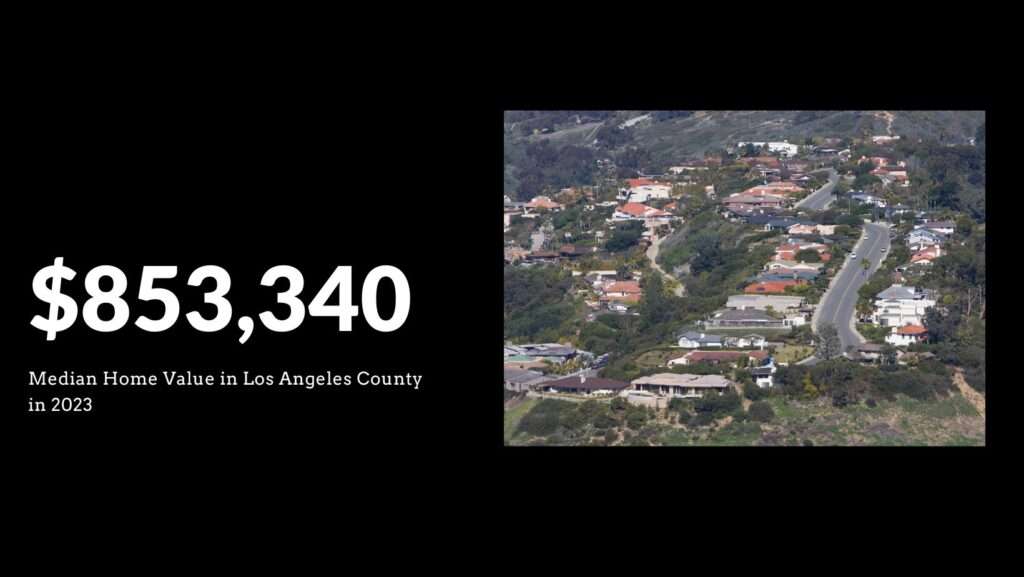
The interaction between presidential policies and California’s real estate market highlights how difficult it is to predict market trends. Each administration’s economic strategies, regulatory changes, and responses to crises have shaped the California housing market in different ways.
One thing is certain, as the world’s 5th largest economy, investing in California real estate is one of the best investments you can make!
Looking for a Home Loan?
Call Us Today
1-714-696-6773
0 Comments Leave a comment
Comments are closed.