If you want to sell your home and currently have a reverse mortgage, there are several additional considerations to keep in mind. Just like with any mortgage loan, selling your house means your reverse mortgage will need to be repaid, including any accrued interest and applicable fees.
Valuation
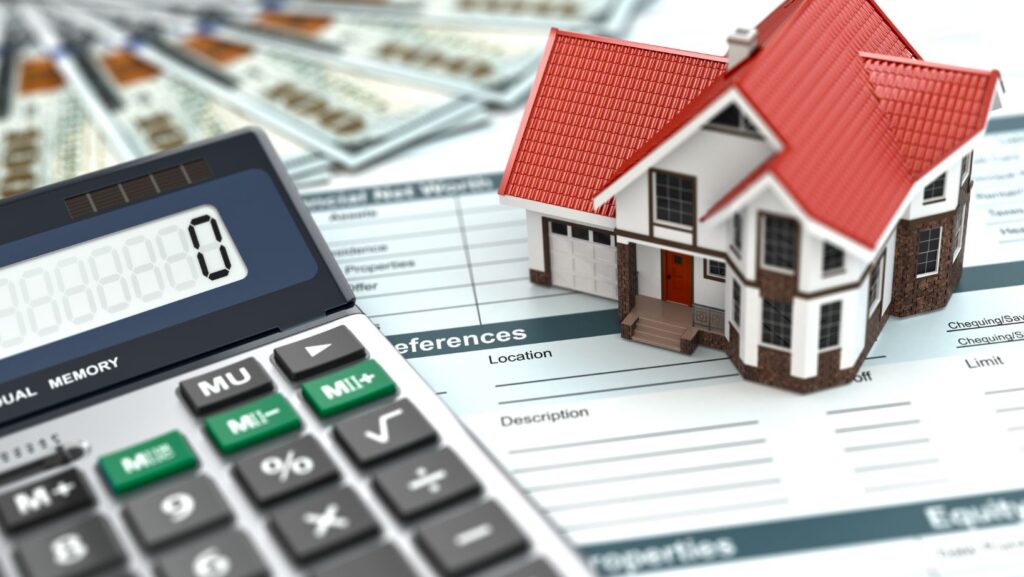
First, it’s always wise to get a home valuation, but with a reverse mortgage, obtaining a current home appraisal is particularly important. This appraisal will help you determine the home’s value, which is crucial for understanding how much of the estimated sale proceeds will be used to pay off your reverse mortgage and how much you can expect to keep. Knowing the precise value of your home ensures that you are well-prepared for the financial aspects of the sale.
Owing More Than Your Home’s Value
In some cases, the sales price of your home may be less than the amount owed on your reverse mortgage. If this happens, the FHA insurance on your loan will cover the extra funds needed to repay your loan. This safety net is designed to protect both you and the lender from financial shortfalls.
When the Borrower Has Passed Away
If you are selling a home with a reverse mortgage after the borrower has passed away, you will need to work closely with the reverse mortgage lender to coordinate the home sale and loan repayment. This process can be more complex, so it is crucial to maintain open lines of communication with the lender.
Overall, selling a home with a reverse mortgage involves additional steps and careful planning. It is highly recommended to consult with a financial advisor or a real estate professional experienced in handling reverse mortgages. Their expertise can help you navigate the process efficiently, ensuring all financial obligations are met and the sale is completed successfully.
0 Comments Leave a comment
Comments are closed.