Essentials for Adding an ADU in California
Accessory Dwelling Units (ADUs) are gaining traction among homeowners looking to enhance their property’s value, accommodate family members, or create rental income. In California, this trend is particularly strong as homeowners seek solutions for aging parents and tackle the ongoing affordable housing crisis. As these factors continue to influence the market, the popularity of ADUs is expected to grow for several more years. Whether you’re planning to construct a new ADU or convert an existing space, there are several essential considerations. Here are some tips to help guide you through the process of adding an ADU to your property.
Understanding ADUs: Forms, Regulations, and Zoning Laws in California

An ADU is a secondary housing unit on a single-family residential lot. ADUs can take various forms, including: Detached ADUs, Attached ADUs, Garage Conversions and Basement or Attic Conversions.
In California ADU Regulations and Zoning Laws are generally managed at the State level but some cities also have their own regulations. Before you begin, familiarize yourself with your local building codes, zoning laws, and ADU regulations. These rules can vary significantly by location and will impact what you can build and where. The California State HCD ADU Handbook has a lot of information and you can download it.
Avoid Legal Issues and Financial Challenges with Proper Documentation
Ensure you obtain all necessary permits from your local planning and building departments. Failure to do so can result in fines and legal issues. As mortgage brokers we cannot count how many times a California homeowner has faced challenges refinancing or selling their home because they didn’t have proper permits for home additions. Please do not skip this step!
Creating Functional and Aesthetic ADUs for Enhanced Property Value
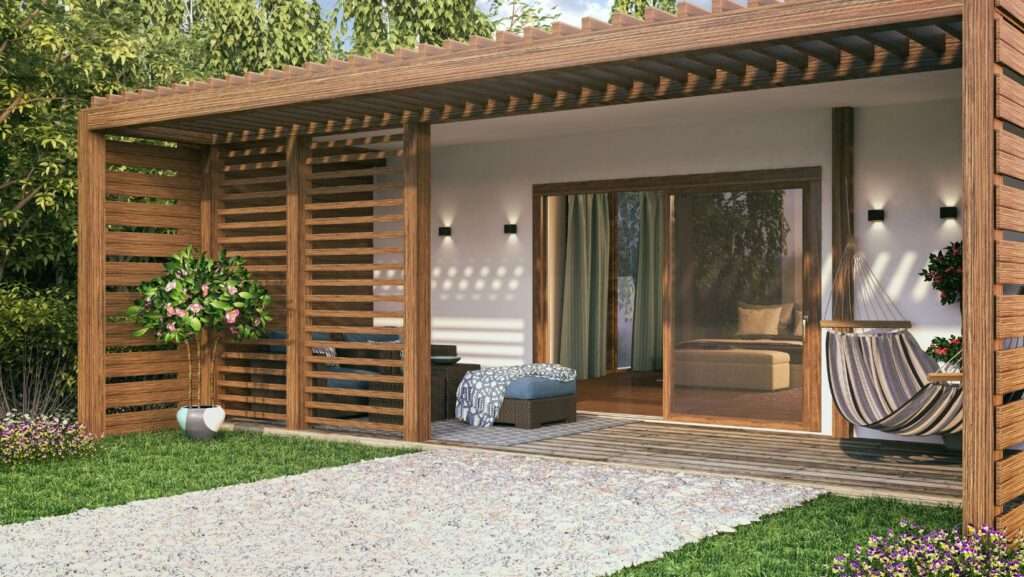
Design your ADU with a functional layout that maximizes the use of space. Consider the needs of potential occupants, including storage, privacy, and accessibility. Ensure that the ADU’s design complements the main house and the overall look of your property. This will help maintain property value and neighborhood appeal.

If possible, work with architects or designers who have experience with ADUs. They can help create a design that meets your needs and complies with local regulations.
Incorporate universal design principles to make the ADU accessible to people of all ages and abilities. This includes features like step-free entrances, wider doorways, and accessible bathrooms that appeal to an older population. Plan for the future by including features that can accommodate aging in place or potential mobility challenges.
Choosing Between Shared or Separate Systems for Your ADU
Decide whether to connect the ADU to the main house’s utilities or install separate systems. Separate utilities can provide more independence for occupants and simplify billing. Assess whether your existing infrastructure, such as water, sewer, and electrical systems, can support the additional load. Upgrades may be necessary.
Successful ADU Addition Through Careful Planning and Professional Guidance
Adding an ADU to your property can provide numerous benefits, from additional living space for family members to generating rental income. By carefully planning and considering all aspects of the project, you can ensure a successful ADU addition that enhances your property’s value and functionality. Follow these tips and work with experienced professionals to navigate the complexities of ADU construction and create a space that meets your needs and complies with local regulations.


0 Comments Leave a comment
Comments are closed.